By the SajiloBhasa instructors · · 5 min read
Japanese to English translation online: what it is fine for, and what it will cost you
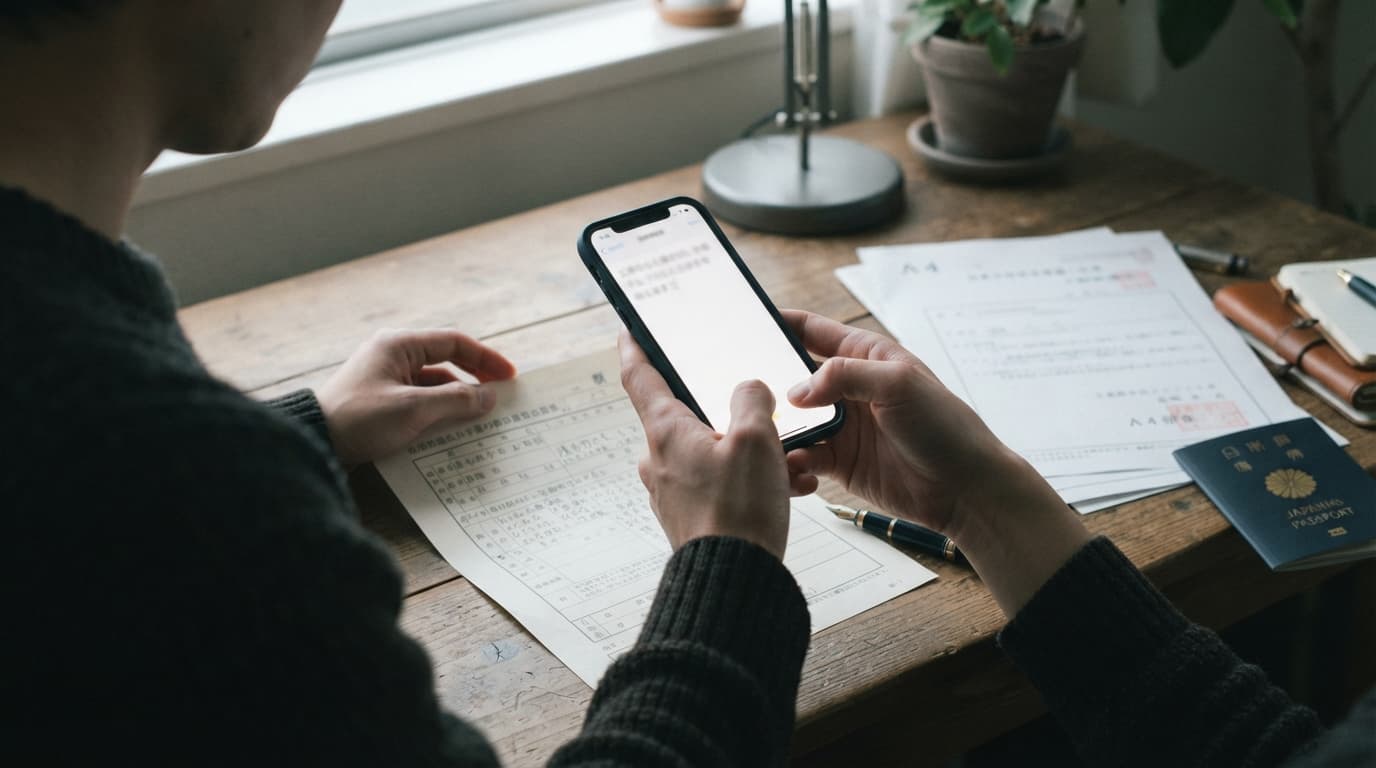
People searching for a Japanese language translator online are usually in one of two situations. Either they need to understand one thing right now, or they have quietly decided that a translator can stand in for learning the language. The first is sensible. The second is the expensive one.
What online translation is genuinely good at now
Getting the gist. A menu, a sign, a product page, the general shape of an email. Machine translation between Japanese and English has become good enough that you will usually understand what a text is about, and for a traveller or a curious reader that is often all you need.
It is also a decent study tool if you use it in the right direction: read the Japanese first, work out what you think it says, and only then check. Used that way a translator is a marking scheme. Used the other way round it is a crutch that prevents the reading from ever happening.
Where it fails, and why you will not notice
Japanese carries a great deal of meaning in things that do not survive translation. Politeness level is the obvious one. The same request can be phrased so that it is appropriate to a friend, to a colleague, or to the person interviewing you, and an online translator will hand you one version of it with no indication of which. Send the casual one to an employer and the translation was technically correct and socially wrong.
Then there is everything Japanese leaves out. Subjects are frequently unstated, and a machine has to guess who is doing what. In a sentence about your own visa application, a wrong guess is not a stylistic wobble, it is a factual error in a document you signed.
The dangerous part is that bad Japanese to English translation reads perfectly fluently in English. There is no warning sign. You cannot tell which sentences it got wrong, which is precisely why it cannot be checked by somebody who does not know Japanese.
The three places to never rely on it
Anything official: visa paperwork, school applications, certificates, contracts of employment. Anything spoken in real time: an interview, a call with a company, a conversation with a landlord or a supervisor, where there is no window to paste text into. And anything where the relationship matters, because the message that is understood is not the same as the message that lands well.
If you are planning to work or study in Japan, all three of those will happen to you, probably in your first month.
The realistic conclusion
Keep the translator. It is useful and it is free. Just be clear about what you have: a tool that tells you roughly what something says, for situations where roughly is enough. It is not a substitute for being able to read a form, answer a question, or choose the right level of politeness under pressure, and no version of it is going to become one in time for your interview.
The alternative is not fluency in five years. It is N5 in a few months, which is enough to read the kana on a form and handle an introduction without reaching for your phone. Our live online classes run from N5 upward, and a free trial class will tell you which level you actually belong in.
Questions people ask
- Is online Japanese to English translation accurate?
- It is accurate enough for gist and unreliable for anything precise. Japanese frequently leaves the subject unstated, so a translator has to guess who is doing what, and it carries no indication of politeness level. Both failures read as perfectly fluent English, which is why they are hard to catch.
- Can I use an online translator for Japanese visa or school documents?
- No. Official paperwork is exactly where a wrong guess about an unstated subject becomes a factual error in a document you have signed. Use a qualified human translator for anything submitted to immigration, a school or an employer.
- Why does machine translation get Japanese politeness wrong?
- Japanese encodes the relationship between speakers in the grammar itself, so the same request has distinct forms for a friend, a colleague and an interviewer. A translator returns one of them without telling you which, and sending the casual form to an employer is technically correct and socially wrong.
- Do I still need to learn Japanese if I have a translator?
- For live situations, yes. An interview, a call with a company or a conversation with a supervisor gives you no window to paste text into. If you plan to work or study in Japan, all of those will happen in your first month.
- What is the best way to use a translator while learning Japanese?
- Read the Japanese first, work out what you think it says, and only then check the translation. Used in that direction a translator is a marking scheme that shows you your own errors. Used the other way round it prevents the reading from ever happening.
Read next
- Learn Japanese in Nepal without moving to Kathmandu or leaving your jobAlmost every language institute in Nepal teaches in a room, and almost every room is in Kathmandu. That decides who gets to learn. A live online class removes the constraint without removing the teacher.
- An online Japanese language course from Nepal: how it actually worksLive classes and recorded videos are sold under the same three words. Here is what a real online Japanese course looks like from the inside.